go back

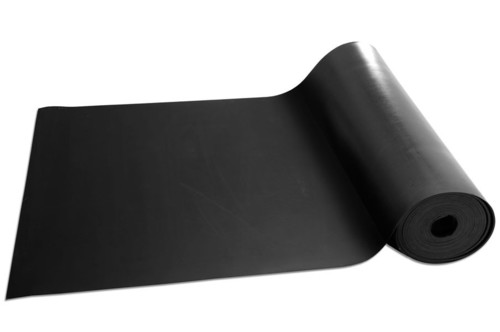
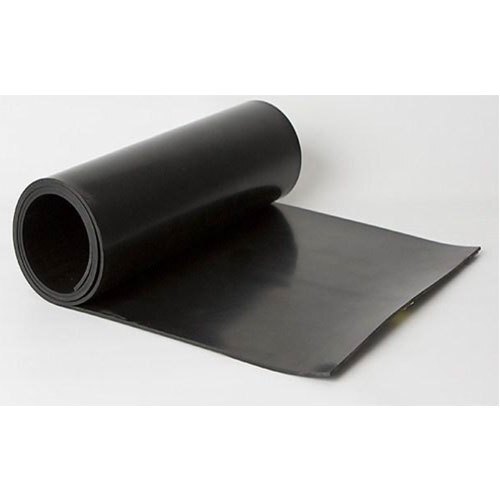
సాదా నియోప్రేన్ రబ్బర్ షీట్

48 INR
share
Plain Neoprene Rubber sheet

Minimum Order Quantity : 5 Meters

 
Color
Black
Hardness
60-70
Length
2 Meter (m)
Product Type
Roll
Tensile Strength
12 Megapascals (MPa )
Thickness
3--40mm Millimeter (mm)
Certifications
ISO 3400
Main Domestic Market
All India
Packaging Details
Small cut piece
Sample Available
Yes
Sample Policy
Free samples are available

Neoprene Rubber sheets: A Neoprene Rubber sheets is made up of synthetic rubber that is produced when chloroprene is polymerized. Most manufacturers purchase neoprene rubber in sheets. Our range of Neoprene Rubber Sheets includes synthetic rubber sheets, natural rubbers sheets, neoprene rubber sheets, EPDM rubber sheets, silicon rubber sheets etc. Keeping in mind the requirements of our international clients, we manufacture these Plain Neoprene Rubber Sheets using latest technology and advanced techniques. 50% Neoprene75% Neoprene100% Neoprene. Specification Thickness 1 mm-50 mm Length Customized Color Black Wide 1000mm-2000mm

FAQs of Plain Neoprene Rubber sheet:


Q: What is the tensile strength of the Plain Neoprene Rubber Sheet?

A: The Plain Neoprene Rubber Sheet has a tensile strength of 12 Megapascals (MPa).

Q: What thickness options are available for the Plain Neoprene Rubber Sheet?

A: The Plain Neoprene Rubber Sheet is available in thicknesses ranging from 3mm to 40mm.

Q: What is the color of the Plain Neoprene Rubber Sheet?

A: The Plain Neoprene Rubber Sheet is black in color.

Q: What is the hardness range of the Plain Neoprene Rubber Sheet?

A: The Plain Neoprene Rubber Sheet has a hardness range of 60-70.

Q: What is the length of the Plain Neoprene Rubber Sheet?

A: The Plain Neoprene Rubber Sheet is available in a length of 2 meters (m).

సాదా నియోప్రేన్ రబ్బర్ షీట్
 

More Similar సాదా నియోప్రేన్ రబ్బర్ షీట్

Molded Rubber Products

Price: 10 INR

/

ముక్క

Molded Rubber Products

Color:Black

Hardness:30-90 Shore A

Natural Rubber:Yes

Know More

Regardless of which part you need to mold, our Molded rubber products will capably run into several stringent quality requirements. It is made to run into several technical specifications so as toallow for improved efficiency and safety. It allows for a precise engineered performance and has vibration damping attributes. Moulded rubber products assist in several processes such as cutting, bonding, O-ring fabrication, adhesive application, frame, etc. It is applicable for elastomeric molding, compression, liquid injection molding, etc.

Product details 

Handling Temperature

-50 to 250 degree C

Color

Black

Packaging Type

Box

Hardness

30-90 Shore A

Brand

Ameenji

Material

Rubber

Includes

Metal Inserted Rubber Coupling Bush, Canvas Brass Impregnated Rubber Bush etc


Rubber Speed Bump

Price: 850 INR

/

Meter

Rubber Speed Bump

Color:Yellow and Black

Diameter:500 x 350 x 75 Millimeter (mm)

Feature:Highly flexible

Natural Rubber:Yes

Know More

Rubber Speed Bump is a road safety hardware which is used to reduce and to control the speed of the vehicles in parking lots, roadways, and private lanes for the prevention of accidents. It is ideal for the residential, commercial, industrial areas and school zones.It is manufactured by using top grade materials which offers higher strength and rigidity to withstandheavy loads of the vehicles. The offered hump is provided with bright yellow and black strips which offers excellent visibility.

Product details 

Size

500 x 350 x 75 mm

Usage/Application

Road Safety

Shape

Rectangular

Color

Yellow and Black

Material

Rubber

Brand

Ameenji


Rubber Beading

Price: 30 INR

/

Kilograms

Minimum Order Quantity : 1000 Kilograms

Rubber Beading

Color:Black

Compression Ratio:20% - 40%

Diameter:32 Meter (m)

Feature:Flexible, Durable, Weather Resistant, Anti-Vibration

Part Type:Sealing Strip / Protective Beading

Know More

Rubber beading refers to a type of material made from rubber that is typically used for sealing, cushioning, or protecting various applications. It is commonly used in construction, automotive, industrial, and manufacturing industries. Rubber beading is known for its flexibility, durability, and ability to provide a tight seal or cushioning effect.

Here are some common uses of rubber beading:


1. Sealing: Rubber beading is often used to create a watertight or airtight seal between two surfaces. It can be found in applications like doors and windows to prevent air or water from seeping through gaps.

2. Cushioning: Rubber beading is used to cushion or dampen vibrations in various settings, such as machinery, equipment, or automotive applications. It can absorb shocks and prevent damage to surfaces.

3. Edge Protection: It is commonly used to protect the edges of materials or components. For example, in the automotive industry, rubber beading is used to protect the edges of sharp metal parts or to provide a soft bumper in various applications.

4. Weather Stripping: In construction, rubber beading can be used as weather stripping around doors and windows to prevent drafts, moisture, and noise from entering a building.

5. Electrical Insulation: Rubber beading with insulating properties is used in electrical applications to insulate and protect wires, cables, and connectors.

6. Automotive Applications: Rubber beading is used in the automotive industry for various purposes, including sealing the edges of windshields and windows, protecting against vibrations, and serving as gaskets in engines.

7. Medical Equipment: In the medical field, rubber beading can be used for cushioning or sealing purposes, such as in the design of medical equipment and devices.

8. Container Seals: Rubber beading is used in the sealing of containers, such as those used in laboratories, pharmaceuticals, and food processing, to maintain product integrity and prevent contamination.

FAQ:


Q. What is rubber beading?


Ans: Rubber beading is a flexible material made from rubber that is used for sealing, cushioning, or protecting various applications.

Q. Where is rubber beading commonly used?


Ans: Rubber beading is used in construction, automotive, industrial, and manufacturing industries for sealing doors and windows, cushioning machinery, protecting edges, and more.

Q. What are the different types of rubber used in rubber beading?


Ans: Rubber beading can be made from various rubber types, including natural rubber, neoprene, EPDM, silicone, and more, depending on the application and environmental conditions.

Q. What are the primary functions of rubber beading?


Ans: Rubber beading serves functions such as sealing, cushioning, protecting, insulating, and providing airtight or watertight seals.

Q. How do I choose the right type of rubber beading for my application?


Ans: Consider factors like the application, temperature, chemical exposure, flexibility, and durability requirements. Consult with a rubber beading supplier or manufacturer for guidance.

Q. Can rubber beading be custom-made for specific applications?


Ans: Yes, many suppliers offer custom rubber beading solutions, allowing you to choose the material, profile, and dimensions that best suit your needs.

Q. What are common shapes and profiles of rubber beading?


Ans: Rubber beading comes in various shapes, including U-shape, D-shape, P-shape, and solid profiles, depending on the sealing or cushioning requirements.

Q. How is rubber beading installed or applied?


Ans: Installation methods vary based on the application. It can be glued, clipped, or mechanically attached to the surfaces it is intended to seal or protect.

Q. Is rubber beading resistant to extreme temperatures and weather conditions?


Ans: The resistance to temperature and weather depends on the type of rubber used. Some rubber types, like EPDM and silicone, offer excellent weather resistance and can withstand a wide temperature range.

Q. Can rubber beading be recycled or disposed of responsibly?


Ans: Rubber beading can often be recycled or repurposed, depending on the specific rubber material. Check with local recycling facilities for guidance on responsible disposal.

Q. What maintenance is required for rubber beading in different applications?


Ans: Maintenance may involve periodic inspections to ensure the beading remains intact and functional. Repairs or replacements might be necessary over time.

Q. Is rubber beading safe for use in applications that involve contact with food or medical equipment?


Ans: Some rubber beading materials are specifically designed for use in these applications and comply with relevant safety and health standards. Always check for food-grade or medical-grade options when needed.

Q. Are there specific safety precautions to consider when working with rubber beading?


Ans: Safety precautions can include wearing appropriate protective gear when cutting or installing rubber beading. Be cautious with adhesives or tools used during installation.


Versatile Rubber Beading for Superior Sealing

Our black rubber beading is crafted to meet a wide range of sealing and protective needs. Whether you require a solid or hollow profile, the beading can be customized in width and thickness for a precision fit. Its flexibility and durable construction make it the ideal choice for industrial, commercial, or residential projects exposed to harsh weather and mechanical stress.


Engineered to Withstand Demanding Conditions

With robust weather resistance and anti-vibration properties, this sealing strip ensures reliable performance even in challenging environments. Designed to have minimal water absorption (less than 5%) and a high compression ratio, it effectively blocks moisture, air, and sound. Its protective qualities help extend the life of installations and equipment.

FAQs of Rubber Beading:


Q: How is the rubber beading installed for sealing applications?

A: Rubber beading can be affixed using adhesives or mechanical fasteners, depending on the surface and use case. Installation instructions usually recommend cleaning the area before placement to ensure optimal adhesion and sealing.

Q: What benefits does anti-vibration rubber beading offer?

A: Anti-vibration rubber beading absorbs and dampens mechanical vibrations, reducing noise and increasing the longevity of equipment, doors, and windows by minimizing wear caused by constant friction or impact.

Q: When should rubber beading be replaced or maintained?

A: Its advisable to inspect rubber beading periodically for signs of wear, hardening, or cracks. Replacement is recommended if the beading no longer provides a tight seal or shows significant degradation from environmental exposure.

Q: Where can this rubber beading be used effectively?

A: This rubber beading is suitable for use in doors, windows, automotive parts, machinery, and other areas requiring weatherproof, vibration-resistant sealing. Its customization options allow a precise match to diverse applications.

Q: What is the process of customizing the width and thickness of the beading?

A: Manufacturers typically offer customization based on client specifications. Customers can provide measurements for width (1060 mm) and thickness (325 mm), and the beading will be produced to those dimensions to ensure a perfect fit.

Q: How durable is this rubber beading in outdoor environments?

A: Made with weather-resistant materials, this beading withstands UV exposure, rain, and fluctuating temperatures, making it suitable for prolonged outdoor use without significant degradation.

Q: What is the maximum water absorption rate of this rubber beading?

A: This rubber beading is designed to absorb less than 5% water, enhancing its performance in environments exposed to moisture and ensuring an effective seal for an extended period.

UIC Vestibules

Minimum Order Quantity : 100 Kilograms

UIC Vestibules

Color:Black

Feature:Good Quality

Material:Rubber

Product Type:UIC Vestibules

Size:Standard

Know More


UIC Vestibules are designed to meet the rigorous demands of industrial applications, ensuring reliability and durability. Constructed from high-quality rubber, these vestibules boast excellent wear resistance, making them ideal for continuous use in diverse environments. Featuring a sleek black color and standard size, their plain surface finish allows for easy cleaning and maintenance. With an emphasis on good-quality craftsmanship, these vestibules are perfect for enhancing industrial operations and ensuring long-term performance. Whether you are a distributor, exporter, manufacturer, supplier, or trader, UIC Vestibules are a trusted choice for delivering value and superior functionality.

FAQs of UIC Vestibules:


Q: What material is UIC Vestibules made from?

A: UIC Vestibules are made from high-quality rubber for durability and industrial reliability.

Q: What is the primary usage of UIC Vestibules?

A: UIC Vestibules are intended for industrial applications, ensuring dependable performance.

Q: Does UIC Vestibules come in multiple sizes?

A: UIC Vestibules are available in a standard size designed for common industrial requirements.

Q: What is the surface finish of UIC Vestibules?

A: UIC Vestibules feature a plain surface finish, making them easy to clean and maintain.

Q: What sets UIC Vestibules apart in terms of quality?

A: UIC Vestibules offer good-quality craftsmanship and durable rubber material, ensuring excellent wear resistance for industrial use.

Rubber Speed Hump

Minimum Order Quantity : 5 Meter

Rubber Speed Hump

Color:Yellow & Black

Diameter:500 x 350 x 50 Millimeter (mm)

Feature:Highly visible with bright highway tape

Natural Rubber:Yes

Know More

A rubber speed hump is a traffic calming device designed to reduce vehicle speeds in areas where traffic safety is a concern. It is typically made of durable rubber or recycled materials and is installed on roadways or in parking lots to slow down vehicles as they pass over it.

Here are some key features and information about rubber speed humps:


1. Purpose: The primary purpose of a rubber speed hump is to encourage drivers to reduce their speed in specific areas, such as school zones, residential neighborhoods, parking lots, or places with high pedestrian traffic. Slower speeds enhance road safety by reducing the risk of accidents and minimizing the severity of collisions.

2. Construction: Rubber speed humps are usually made from high-quality rubber or recycled materials, which makes them durable and resistant to weather conditions. They are available in various sizes and designs to suit specific traffic management needs.

3. Installation: These humps are typically installed on the road surface, either permanently or semi-permanently. They are usually bolted to the road or secured with adhesives, ensuring they stay in place.

4. Effectiveness: Rubber speed humps are effective in reducing vehicle speeds, especially when installed in areas where drivers need to be cautious, like near schools, hospitals, or residential areas. They work by forcing drivers to slow down to avoid discomfort and potential damage to their vehicles when driving over the hump.

5. Visibility: To increase their effectiveness, rubber speed humps are often painted with high-visibility colors and markings to alert drivers to their presence.

6. Advantages: Rubber speed humps have several advantages, including ease of installation, low maintenance requirements, and the ability to be removed or relocated if necessary. They are also less harsh on vehicles compared to traditional asphalt speed bumps.

7. Disadvantages: Some drivers may find speed humps inconvenient or uncomfortable to drive over. Emergency service vehicles may experience some delays when traversing them. Additionally, improper installation or placement can lead to issues with drainage and snow removal.

8. Regulations: స్థానిక authorities and traffic management organizations often have guidelines and regulations regarding the use of speed humps, including their design, placement, and permissible height. Compliance with these regulations is essential to ensure road safety and avoid potential liability issues.

Rubber Speed Bump Specifications:


1. Dimensions: 500 x 350 x 50mm

2. Color: Black, Yellow

3. Load-bearing: 40T

4. Material: Rubber

Shot Blasting Rubber

Price: 60 INR

/

Kilograms

Shot Blasting Rubber

Color:Black

Feature:Shot Blasting

Natural Rubber:Yes

Thickness:3 Millimeter (mm)

Know More

Shot Blasting Rubber is a method used to clean, strengthen or polish metal. This rubber is used in almost every industry that uses metal, including aerospace, automotive, construction, foundry, shipbuilding, rail, and many others. This has become an integral part of steel structure and metal building industry.Shot Blasting Rubberwith nylon insertion used as diaphragms for oil, LPG & solvent resistant applications. This rubber is suitable for wide variety of applications. The purpose of providing insertion is to provide additional strength to the material in order to make it more pressure proof. This blasting rubber is very cost effective and can be easily purchased by our eminent clients at nominal pricing, in bulk quantities.  


Specification


Length

Customized

Color

Black

Feature

Plane

Thickness(mm)

1.0,2.0

Share a Quick Message with us
Enter Buying Requirement Details

Requirment is not provided for the inquiry

మొబైల్ number

మొబైల్ no is not provided for the inquiry

Email

Email is not provided for the inquiry

call విచారణ పంపండి whatsapp

WhatsApp

Get Latest Price

 
close
Tell us about your requirement
product

Price: Â

Quantity
Select Unit

  • 50
  • 100
  • 150
  • 200
  • 250
  • 300
Additional detail
మొబైల్ number

Email